This week there will be no seminars to attend as I will be busy marking your Pre-Production Project Presentations and writing you some feedback – we will treat this week as a Self Directed Learning Week!
Therefore, please can you spend your personal study time this week catching up with any missed learning over the last few weeks and updating your Blog Process Books with the weekly independent learning and materials in this document.
If you have still not provided a link to your blog on the Discussions page please do so.
Also, please begin to practice filming or recording sound with your chosen device (smartphone, DSLR, or sound recorder), and study the results to understand how it works and what you can expect to make.
I think podcast, the Chinese translation has not yet been unified, but most of them are translated into “Podcast”. Podcasting is Ipod+broadcasting. It is a kind of digital broadcasting technology, which was realized by combining a software called “iPodder” with some portable players in its early stage. Podcasting records Internet radio or similar online audio programs. Netizens can download online radio programs to their iPod, MP3 player or other portable digital audio players to listen to them on the go, without sitting in front of the computer or listening in real time. , Enjoy the freedom anytime, anywhere. More meaningfully, you can also make your own sound program and upload it to the Internet to share with the majority of netizens. I understand that Podcasts are audio, video, and PDF that can be subscribed to. Most podcasts are in English, but Chinese podcasts are rare. So if you want to see good content, you usually have to spend your brain to open the English listening mode. People who make podcasts are often native speakers, and they usually spend time or even money (to buy professional microphone headsets and other equipment) to make these programs because they are particularly interested in something. It’s all because of love. It is precisely because of their love and the support of fans that their programs will get better and better.
Write up what you have learnt about editing from this weeks seminars in your process book blog.
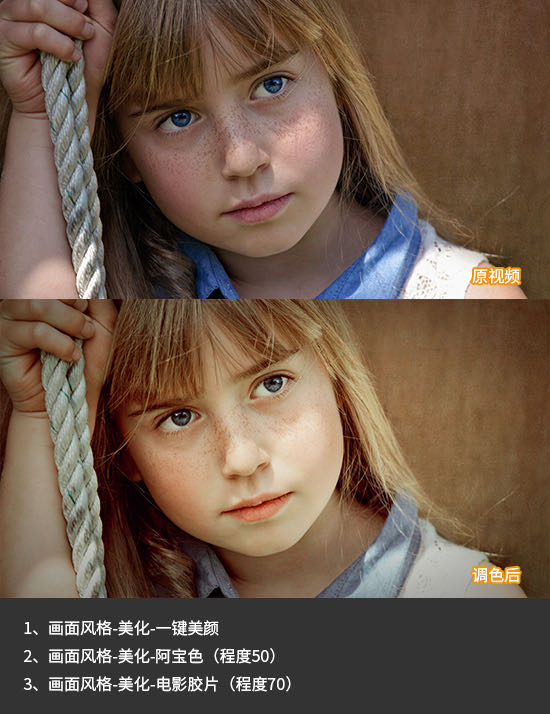
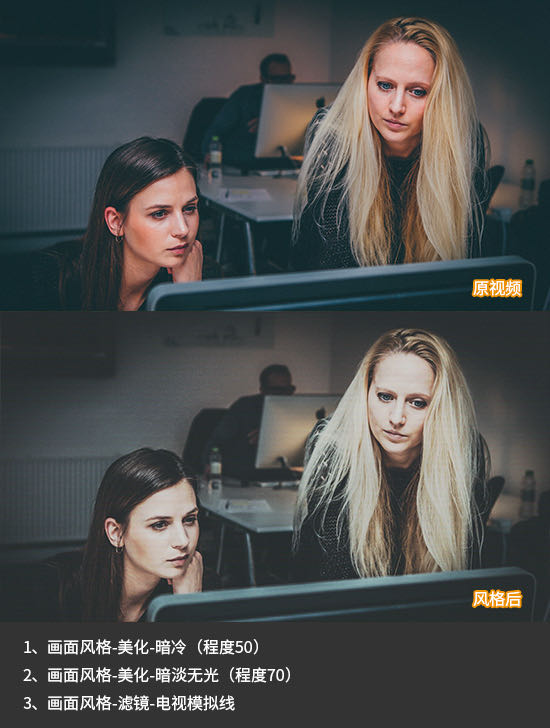
This week I will mainly learn to use color in the later stage. I learn through class, and then give an example of my own practice;
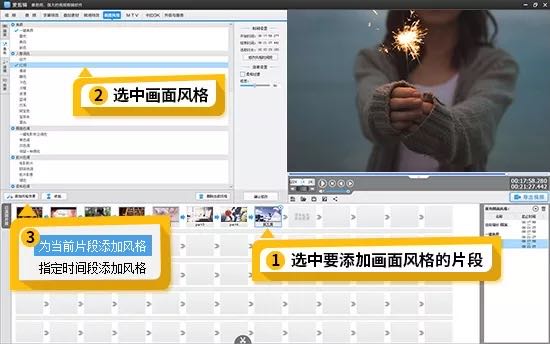
Click the “Video” tab at the top of the main interface of iClip. In the “Added Clips” at the bottom of the panel, click the “Double-click here to add video” area, and then import the video in the pop-up file selection box. At the same time, iChang also supports dragging the video directly to the “Added Clips” area list.
Color the video through the “Picture Style” function
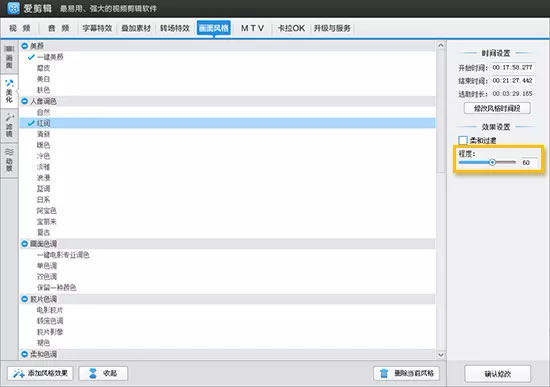
Combined with the “Super Scissor Hand” function, after finishing the video editing, click the “Picture Style” tab at the top and switch to “Beautify” in the left column. In the “beautify” panel, we can see various one-click applications such as “dermabrasion”, “whitening”, “skin tone”, “portrait tone”, “picture tone”, “film tone”, and “retro tone” Toning and beautifying functions, and through the “degree” function of various color toning schemes, to achieve more detailed and heavy color schemes. Double-click the option to be applied in the list, and set the duration of the picture style in the pop-up “Select Style Time Period”. For more basic operations of adding, deleting, modifying, and indexing on the “Picture Style” tab, please check. 3. Combined use of “picture”, “filter” and “motion scene” functions
In addition to color adjustment, the “Picture Style” function also supports cropping video images, rotating videos, flipping videos, applying various blur effects, glare effects, rain water splash effects, ripple effects, vibration visual effects (that is, camera shake), TV Wall special effects, glass special effects, and various cool dynamic special effects such as ink smudges, burning fires, flying petals, clouds and mists, and sparkling water. In the “Picture Style” panel, click the corresponding left column, double-click the effect item to be applied, and set the duration in the pop-up “Select Style Time Period” dialog box. Fourth, export HD video
After applying the special effects appropriately to make the video more beautiful and blockbusters, you can export it with one click. When exporting the video, if the original film has sufficient definition, remember to choose to export the MP4 or AVI format of 720P or 1080P, and adjust the bit rate to above 3500kbps. Don’t cause the image quality due to improper settings.
Continue to shoot/record your project and now try to complete a rough cut of your project using Premiere/Audition. Record and reflect on your progress on your blog.
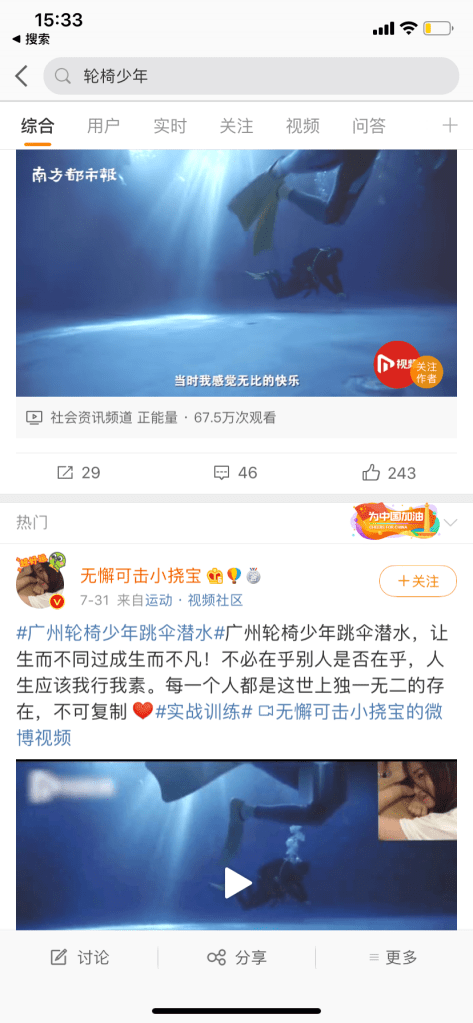
This week I accompany the interviewee to record with some Chinese social media. I learned more stories about wheelchairs. Including me, I also participated in the filming of a program of the China Southern News Agency. As a friend of wheelchair teenagers, I discussed how important the construction of barrier-free access for the disabled is to everyone who needs to use a wheelchair. The photos below are some videos posted on Chinese social media, which have more than 1 million views in China
Write up what you have learnt about editing from this week’s seminars in your process book blog.
This week we will discuss how to edit the sound and use different sounds on different occasions. More important is how to use editing software.
Creating titles/credits;
Adding still images/cut aways
Resizing still images
Changing image duration
Creating motion/animation in still images
First considerations for soundtracks
Continue to shoot/record your project and now try to complete a rough cut of your project using Premiere/Audition. Record and reflect on your progress on your blog.
I completed the interview and the video, and both aspects were carried out. But I gradually feel that the documentary method is less clear than interviewing him when discussing the wheelchair, and more is recording his life. I don’t know if my shooting method is wrong.
Go to your blog process book and write up what you have learnt about shooting video on smartphones and all the manual settings
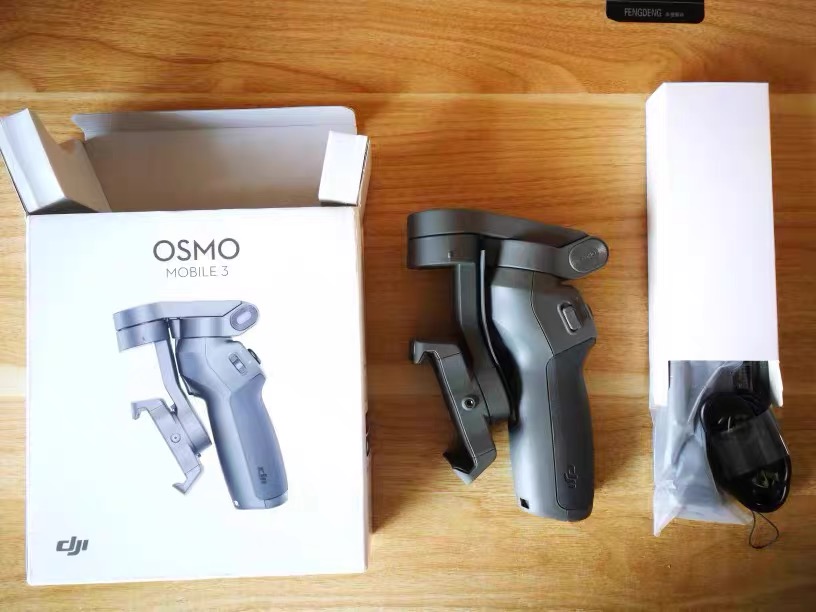
The trigger button is the most important button on DJI. It is on the back and is operated by the index finger. The function is different in different pressing methods: keep pressing and lock all axes of the gimbal
Press twice to make the gimbal immediately return to the front, that is, “calibrate”; press three times, the camera will use the front lens and switch to the Selfie mode (when using the mobile app).
The front oblique plane is the control panel. The largest circular buttons with anti-slip patterns are the up, down, left, and right direction keys. The bottom and left sides are buttons for taking photos and videos. There is a trigger button and a 3.5 mm charging port on the back. On the left side of the handle is an external accessory interface, which can be connected with extension rods and other fixed brackets.
Write up your plan/checklist for equipment and first shoots/recordings this week and then complete them over the weekend – post your experiments and reflections how they went and what you learnt on your blog.
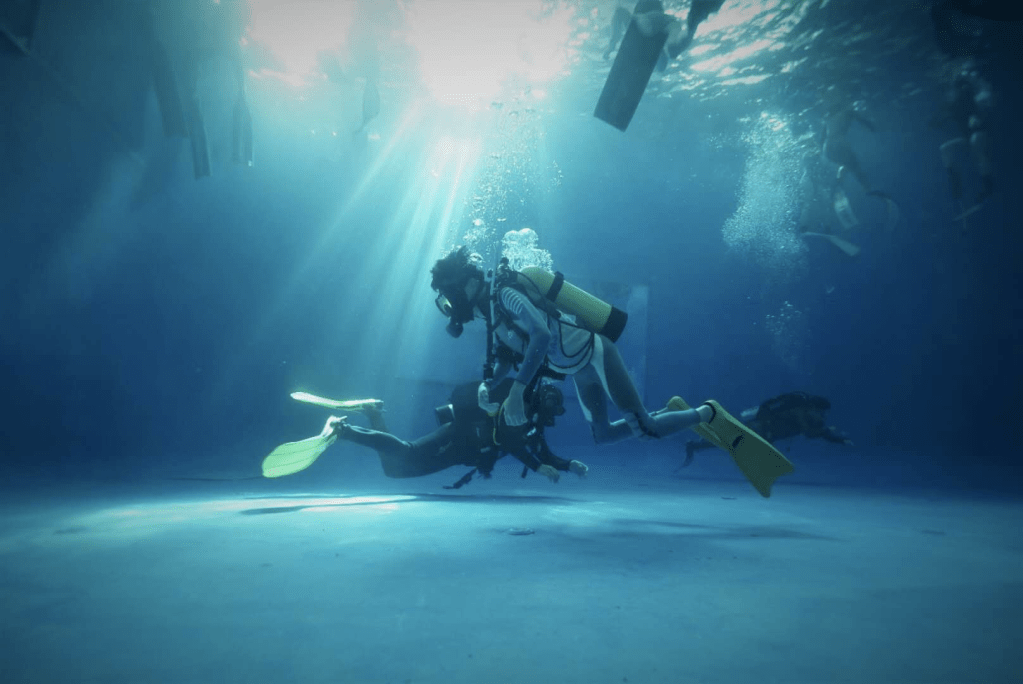
I use DJI, iPhone, and GoPEr for interviews and shooting. Basically, there will be one day every week for shooting activities, because at that time we made an appointment to dive together. But I don’t have a special plan, it is a record for me. I will shoot documentaries and interviews. Finally, see which one is better, and then choose to hand in. There are also many problems with my documentary, because it is not just my work: during the filming process, there were also many Chinese media shooting on the theme that wheelchair teenagers are the same as us. I think I will choose to conduct an interview in the end. But it doesn’t matter. My shooting process is also to get an in-depth understanding of the objects, which can also help me conduct better interviews.
Bring your blog process book up to date with any of the previous weeks’ work you have missed.
13. Write up what you have learned from the introduction to filmmaking using smartphones. Refer to the key aspects and the video we watched – consider how this applies to you and what equipment you plan to use to make your film, and any planning you need to do now for your project.
Smartphones can basically replace shooting machines. Just need some stable machines to assist the phone in shooting. I have no special plans, but I usually use the stable machine of China DJI to help the phone to shoot.
14. Write up your response to the seminar discussion about your documentary project ideas, referring to the key questions and what you have decided so far:
At the beginning I recorded the growth of my friend, but we can only photograph objects as stories. So, I think it doesn’t matter whether it’s me shooting a documentary or an interview. I will tell a series of story structures as a wheelchair boy or as we all do.
Your chosen medium – Video or Podcast
Podcast
Your chosen object for ‘The story of an object’
Wheelchair
What are the details of the story/narrative? (What/who is it really about?)
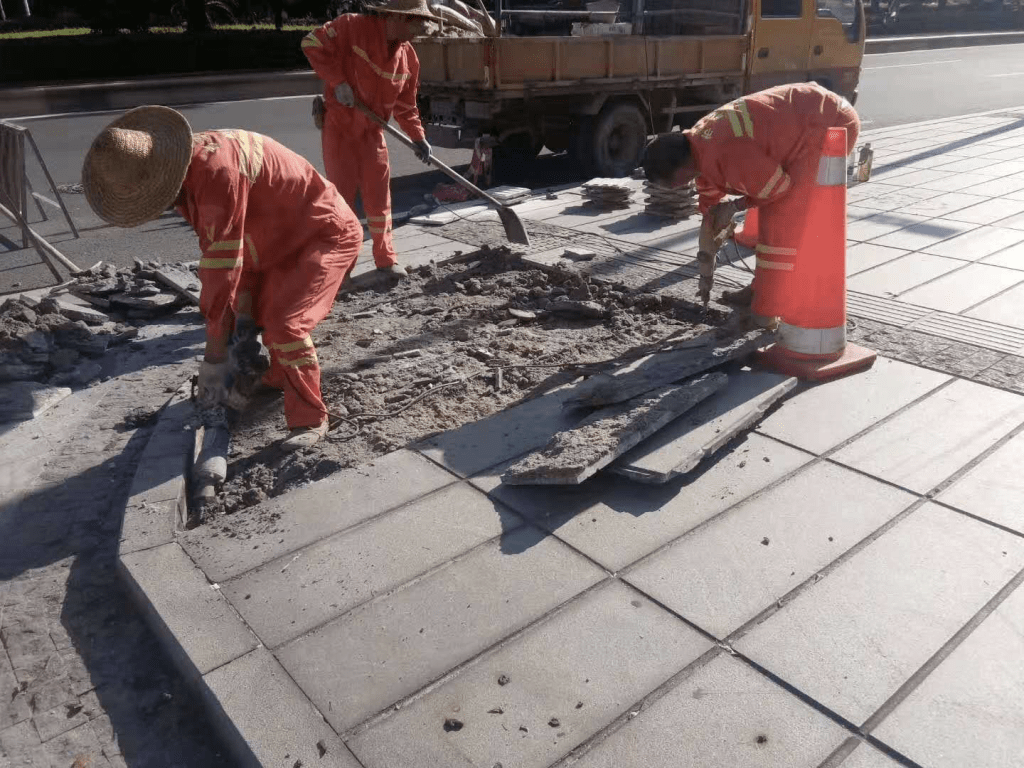
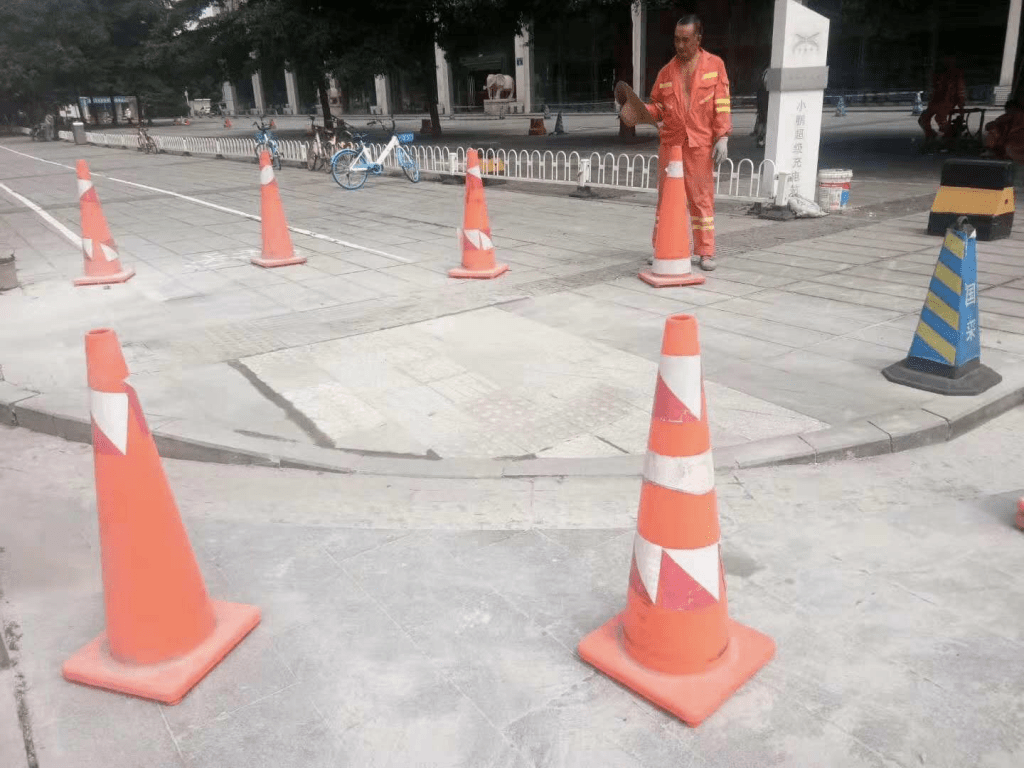
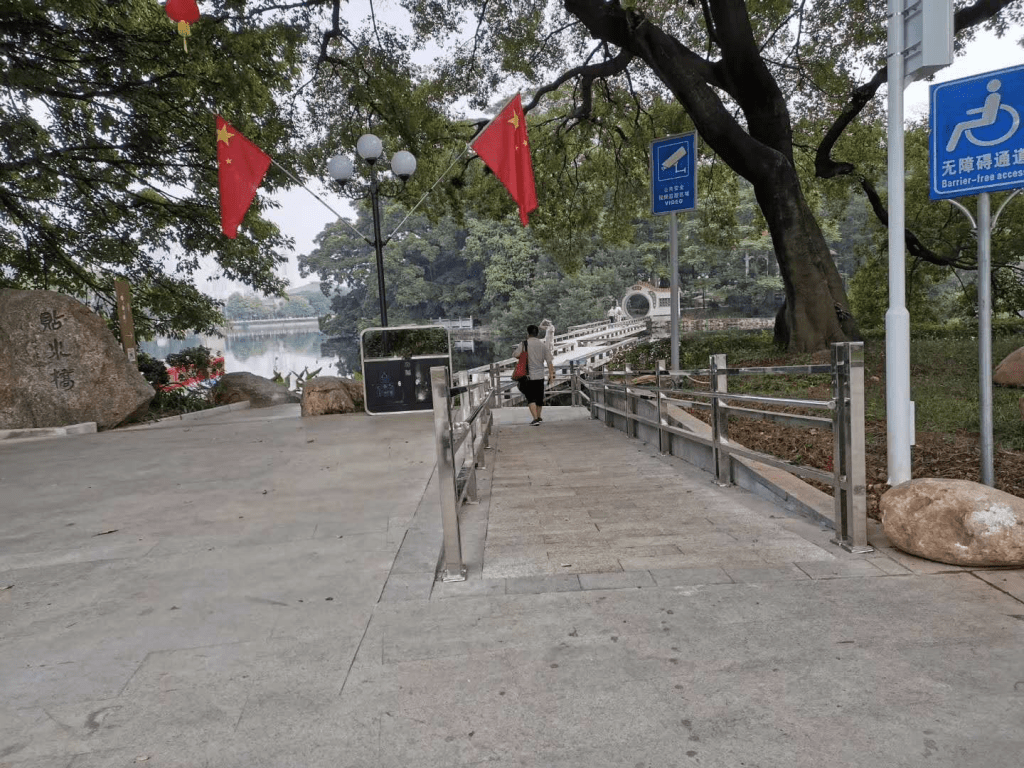
This wheelchair story is about a disabled person growing up with setbacks and discrimination. Then he tried his best to go to college and participate in many college activities. And called on the government to carry out the disabled access construction project.
How could you tell this in words or pictures?
For video – what will you shoot? Will you use old footage, new footage, archive footage, photographs/mixed media?
For sound where will you record interviews- on location outside/inside? What other sounds will be useful to record to tell your story – ambient location sound, sound effects, music?
I will record the interview, in the internal space, because the content is more about the story of the inner heart of the wheelchair teenagers, and I need a quiet, comfortable and relaxing place. I will use my mobile phone and computer to record interviews, and then the post-production process will see which one is more suitable for playback, and the recording is clearer. There will be some music at the beginning and end.
Why will the story be interesting to someone else (the audience)? How will it speak them? What does it say about the human condition?
The story is about the inner inferiority of the disabled. They feel different from others: they need to live in wheelchairs. When he grew up, he told himself that he didn’t need to be ashamed that he needed a wheelchair to support his lifestyle. Later, he called on the government to build barrier free access and post a video in the university to call on other disabled people to use wheelchairs without regret.
Add examples of test shots or media you might use to your blog post. Include any research or online links to films and other producers who have influenced you.
15. Begin to prepare your Pre-Production Project Presentation, using the materials you are posting on your blog process book.
Guidelines for Pre-production Project Presentations
You will present your ideas, research and planning for your project, including the technical and aesthetic aspects, with and references to appropriate film makers or sound practitioners. You will produce a PowerPoint presentation with voice over on the presentation slides to pitch your project and explain the information presented. Presentation slides could contain a mixture of:
Text (bullet points and short sentences/quotations – no paragraphs)
Images and sound – test shots/recordings, storyboards and drawings
Other filmmakers/sound artists work – embedded video/sound, or hyperlinks to relevant online sources, etc.
Presentation size should be between 10-15 slides in total.
Completed PowerPoint presentations will be submitted to the Assignments section deadline.
Write about what you have learned with your reflections on the experience from the seminar and workshops from Week 4 – Expository and Poetic Documentary Modes
Write up what you have learned about the Expository and Poetic documentary modes that we watched and discussed in the seminar. Explain the key differences and similarities between the modes with reference to example films. Refer to the core reading and use quotations and references to demonstrate your reading and research skills.
Explanatory documentaries generally do not have much subjectivity, but simply hope that the content that the audience is watching has a certain feeling. Rhetorical questions, historical reviews and interviews are generally raised to support the film’s point of view and any other relevant evidence.
The visual effects of the documentary in poetry mode are for emotional or artistic purposes, and most of them are presented to the audience with artistic techniques.
Write up your first ideas for the documentary project
Produce a spider diagram with the given theme for the project at the centre – ‘The story of an object’.
Radiate from that possible ideas that are linked to this theme.
Remember the object is a vehicle to tell the story behind it – look for interesting and personal stories. Refer to the information on Day 2.
Explanatory documentaries generally do not have much subjectivity, but simply hope that the content that the audience is watching has a certain feeling. Rhetorical questions, historical reviews and interviews are generally raised to support the film’s point of view and any other relevant evidence.
The visual effects of the documentary in poetry mode are for emotional or artistic purposes, and most of them are presented to the audience with artistic techniques.
Write about what you have learned with your reflections on the experience from the seminar and workshops from Week 3 – Interviews
a) Write up what you have learned about the technical aspects of recording sounds for interview, such as the different types of sounds that will be recorded and mic placement techniques.
There are three types of directional microphones, namely: omnidirectional, unidirectional and bidirectional. The microphone pointing type is a description of the microphone’s sound inspiration pattern from all directions in space, and is an important attribute of the microphone.
Under normal circumstances, we can use a single-pointing microphone to collect human voices. A microphone like Shure SM-58 can also be called a cardioid pointing microphone. This type of microphone can pick up most of the sound in front of the microphone and part of the sound on both sides. It is a perfect and wise choice when there is only one anchor or when each speaker wants to give their own microphone.
Then we will introduce the bidirectional microphone. You might guess that a bidirectional microphone may record sound in two directions. You guessed it, the bidirectional microphone can receive sound from the front and back of the microphone. If your podcast is a duo, then only a bidirectional microphone is enough. After you two face each other, put the microphone between you and start recording.
Finally, let’s introduce the omnidirectional microphone. In fact, it has no directivity and can pick up sounds from different angles. It is often used in choirs. If you have only one microphone, and you cannot set a microphone for each guest, you can choose an omnidirectional microphone. You can put the microphone in the middle of the table, and everyone surrounds it. Because the sound is recorded in a wide range, you may not be able to record the extremely clear voice of each guest, but it can definitely help you record podcast programs with good sound quality.
b) Write up what you have learned about interview techniques – these should include aspects of preparation and question development and your experience during the interview. What would make the interview even better next time?
1 Learn as much knowledge and theories about the interview topic as possible.
Learn the background information of the interviewee and the interview environment as much as possible.
Learn and think as much as possible in terms of human nature, psychology, and journalism ethics.
Write up your notes and what you have learned from the Core reading for this week and our discussion about interesting techniques and/or lessons that Ira Glass suggests make for a successful story and podcast.
1 Learn as much knowledge and theories about the interview topic as possible.
2. Learn the background information of the interviewee and the interview environment as much as possible.
3. Learn and think as much as possible in terms of human nature, psychology, and journalism ethics.
Short interview task – upload your completed interview task to your blog along with the questions you developed for the interview.
Write some reflections about how the task went – e.g. how successful was it (be honest)? Were there some difficulties that you experienced in making it? What did you learn about interviewing when you were making it? What would you like to do differently next time you make an interview?
If you cannot upload the interview directly to the WordPress blog, then post it to another sound site and then add a link to your blog. For example, Soundcloud. (Open a free Soundcloud account, upload your work there, then embed the track or put a link to it in your WordPress blog.) WEEK 3
In my opinion, this was not a successful interview, because I was not well prepared, a little nervous and did not express the questions clearly, which led to some obstacles in answering the questions. However, I think I did a good job in question extension and conducted in-depth discussion on the background of participants studying abroad. The experience I learned from this interview is that first of all, the questions should be fully prepared and as concise as possible. Secondly, the shooting Angle should be adjusted. In the first interview, the light is too dim to observe the interviewer’s facial expressions effectively, which is also a very important point in the interview.
Write about what you have learned with your reflections on the experience from the seminar and workshops from Week 2 – What are podcasts?’
Podcast types are SOLO, chat with friends, interviews, and storytelling, which are updated once a week or once every two weeks. There are also daily news reports, hot search reviews, and workplace tips. There is also a continuous update for a period of time like a series, and the second season will be released after a period of rest. It depends on your subject and how much time you have invested. The more frequently, the more time needs to be invested, and of course the faster the connection with the audience can be established. Like the video, continuous and stable updates are conducive to developing the listener’s listening habits and maintaining a connection with the listener.
This week you listened to the example podcasts posted on the Canvas page – This American Life episode 407 ‘The Bridge’ , plus one other of your choice. You wrote some notes on the Padlet page. We discussed the following questions in the seminar:
Who is speaking in the podcast?
Host and interviewee
Are they speaking directly to the audience/listener or someone else?
They are just talking to each other, discussing issues or telling stories.
What was the story about? How was it told?
The story brings stories of bridges from three different countries, one of which is in China, known for its huge scale and high suicide rate. By telling and asking questions.
How did the podcast make you feel?
I think podcasting is a very suitable medium for my personality. I like to communicate and talk, like to listen to and discover the stories of different people, like to observe other people’s thinking from my perspective, and like free, sincere and casual interaction. Podcasting can give me a very suitable platform for me. At the same time, all these interactions can be transformed into some meaningful and value accumulation.
Which one is your favourite and why?
The Bridge. Because this part also discusses some special storylines, it doesn’t sound so boring. Make me want to keep listening
Now write up your answers to these questions and your reflection on the experience of listening to the podcasts on your blog post.
Write up your notes and what you have learned from the Core reading and our seminar discussion about ‘What are podcasts’? Refer to the core reading and use quotations and references to demonstrate your reading and research skills.
These were the questions we discussed in the seminar:
What is a good definition of a podcast?
For me, whether it is good or bad is entirely a personal hobby. For example, Embedded is also a program of NPR. Each issue selects a social news story and then digs deeper. Knowledge may be relatively weak, but it can be used to understand the life of people in other countries or regions in the world. It is better to read thousands of books than to travel thousands of miles. If you want to know what life is like in other countries, you don’t have time to travel, and watching documentaries is too scary. This is a good blog.
Why are podcasts and radio so popular now?
The more direct reason is that there is a lot of flying time recently. For flying, because it does not require the Internet, it can take up a lot of time, and it does not make people too tired. Podcasting is a very suitable way to pass the time. Although I haven’t studied the common scenes of podcasting, I think flying is also an important one. Thinking about it, it is even more interesting for the middle class. Outside of flying, I can think of similar scenarios for podcasting: driving, on the subway, and on the road. The term fragmented time was originally created by the middle class, and there should be a small number of people who can neither chase drama nor vibrato during these fragmented times.
Is there such a thing as ‘objective truth’ in documentary?
First of all, it must be established on a premise
Treating any problem cannot be said to be absolutely right or absolutely wrong. No matter it is people, things are multi-faceted and diversified. So, I think there is no absolute difference between true and untrue. In a sense, when the photographer chooses the camera position and focal length, or even adjusts the exposure and aperture, the documentary that he shoots is already brought into the subjective sense of unreality.
Why is ‘subjectivity’ also important in documentary?
To give a simple example: You photograph a clean and tidy street in a city with no people. This may not be the norm for all streets in this city, but the audience may think so. For another example, if you photograph a cleaner who is working hard and conscientiously, but he may just show such a positive attitude deliberately because of his personal image in front of the camera, then the audience still cannot see his usual real side. Therefore, in the process of filming a documentary, what it reflects may not be all the truth, or may not be the normal truth. It is a film that has been “creatively processed”. It is based on the importance of the facts to people. Selective dramatization incorporates subjective ideology in the process of recording. The real footage in front of these cameras is a meaningful shock when combined into a documentary. This view is also based on Virto’s “movie eyes” proposition, which determines the most basic rules of ideology for documentary films. On another level, although authenticity is the essential attribute of documentaries, it is not the ultimate goal of documentary creation. The ultimate goal of the documentary is to arouse the audience’s thinking through the film, and to feel the spiritual realm above the objective level in the real people, the truth, and the truth. The documentary is a transcendence of reality.
Write about what you have learned with reflections on the experience from the seminar and workshops from Week 1 – What is documentary?’
We watched the example short documentaries on the Canvas page, consider what we discussed and the questions posed on the page – e.g. What did you learn about the different ways of presenting information to the audience in the documentaries we watched on Canvas? Which were your favourite ones and why? How did they make you feel?
What I like is the documentary that records shipbuilding, because the documentary itself is based on real life as the creative material, real people and real things as the object of expression, and the artistic processing and display of it, emphasizing respect for the original ecology of life, in order to show the truth. The essence, and the film or TV art form that triggers people’s thinking with reality.
Write up your notes and what you have learned from the Core reading for this week and our discussion about ‘What is documentary’?
What is a good definition of documentary?
What are some of the key characteristics of a documentary?
What things distinguish it from other forms of nonfiction?
What are some things that successful documentaries do?
As in the definition of documentary, we can definitely see a feature of documentary-documentary. To put it simply, documentary is the pursuit of realism in time, space, characters, events, and details. This reality is not only true for shooting in creation, but also for post-editing. For example, in the early stage of shooting, the photographer may have taken three scenes of medium shot, close shot, and close shot for one thing.
Creation characteristics The documentary uses news footage to truly record social life, objectively reflect real people, real events, true feelings, and real scenes in life, focusing on showing the original form and complete process of life, and rejecting fictional and acting news TV programs. In the creative process showed some common characteristics.
Documentaries are mainly based on reality and documentary. It strives to record real people and real things happening around us with real means to express a thought or theme. The drama is already a documentary that penetrates the form of artistic representation, not a documentary in the true sense. A novel is a work created by a writer.
I think the thoughts revealed by successful documentaries are incomparable. It can not only broaden the horizons to a certain extent, but also inspire wisdom.In a sense, the essence of documentary is the essence of truth-seeking science. For example, a documentary I like very much; Salt of the Earth. This film tells the story of photographer Sebanstian.He accidentally came into contact with the camera, and from this he became a world-renowned social documentary photographer. His shots are full of documentary impact, especially the records of famines, wars and low-level people. Through the photos, it seems that the life state of the subject can be seen. And during the filming process, Sebanstian also began to think about the world. Thanks to his economics professional foundation, he constantly began to pay attention to the vision of mankind on a larger level, such as eliminating global hunger and eliminating wars full of hatred. If you have seen these photos, you will feel the humbleness and cruelty of life on earth, happiness and peace, after all, human beings are the salt of the earth. Brazil, the shocking scene of 50,000 people panning for gold in a huge pit at the same time. There are dense numbers of people climbing on a 90-degree vertical wooden ladder. Once they fall, they may lose their lives and cause other people to fall.In Ethiopia, due to the famine, the number of refugees increased sharply. On the way to flee, death became a part of life. Everyone is used to death. People here are either dying or on their way to death. In Mali, there are only children and women. The men all go to work in other places, and they promise to make money and come back to support their families, but few people come back.In Kuwait, 400 oil fields were ignited at the same time. The fire was so bright that day and night were indistinguishable. Firefighters from all over the world extinguished the fire in this purgatory on earth.
Short Filming Task – Upload your completed storyboard and short 30 second film task to your blog
Write some reflections about how the task went – e.g. how successful was it (be honest)? Were there some difficulties that you experienced in making it? What did you learn about shot types, filming and story telling when you were making it? What would like to do differently next time you make a film?
If you cannot upload the film directly to the WordPress blog, then post it to another video site and then add a link to your blog. For example YouTube, or Vimeo. (Open a free YouTube or Vimeo account, upload your work there, then embed the film or put a link to it in your WordPress blog.)
Think about your first ideas for possible documentary project subjects and which medium you might choose – remember the project theme is ‘The Story of an Object’.
This documentary is just a simple shot of disabled people doing rehabilitation training in the swimming pool and rehabilitation center. The reason I filmed is because the disabled in China are really a group that is easily forgotten. Most people with disabilities may spend their entire lives at home. It is difficult to make friends and go to school. Until now, I still don’t understand why this happens. I haven’t decided what I will shoot next time, but I hope I can make some very complete publicly exposed documentaries about some disadvantaged groups.

 jing
jing 